EN
EN
 AR
AR
 FR
FR
 KO
KO
 PT
PT
 RU
RU
 ES
ES

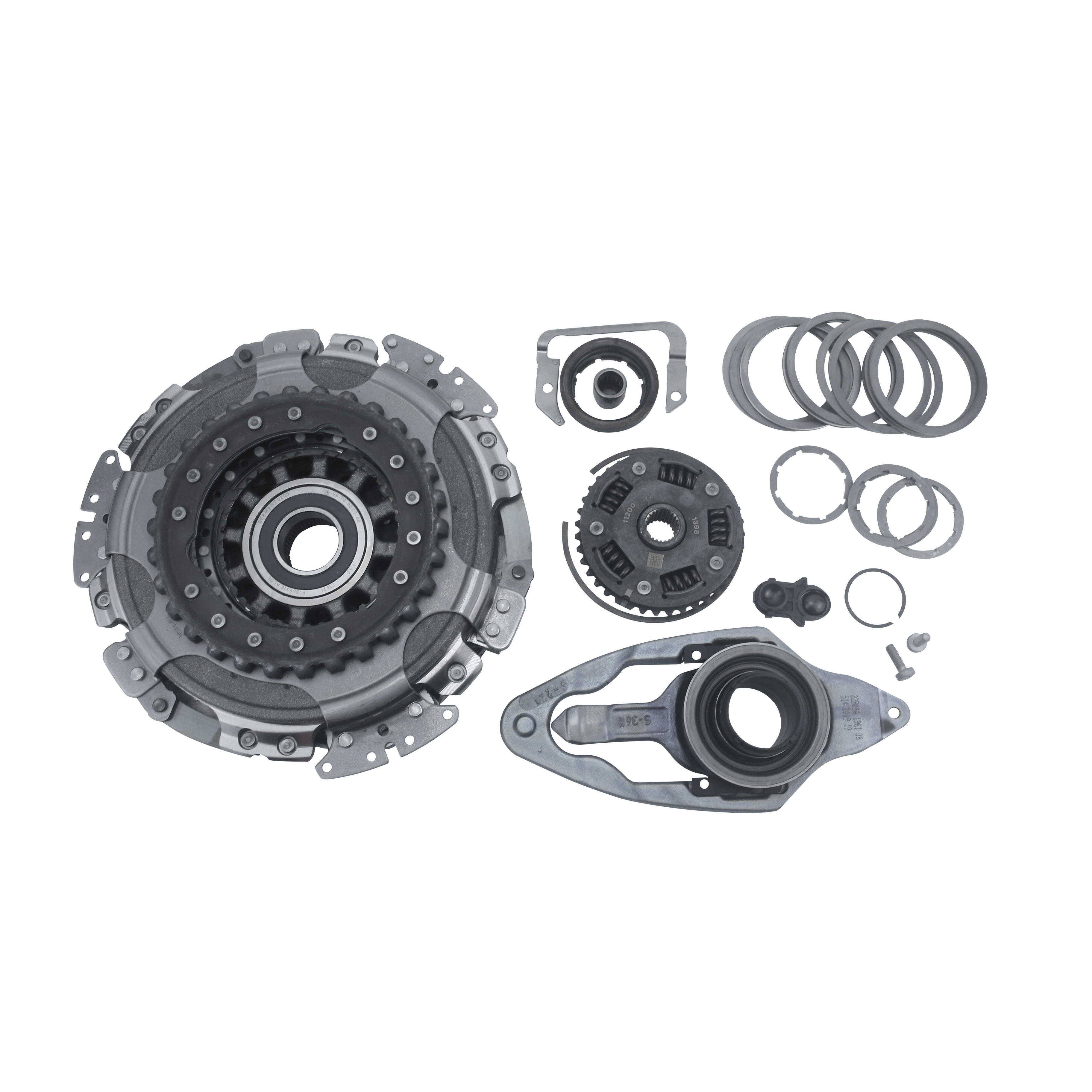
Understanding the Clutch Kit: How It Works and What Causes Premature Wear
The Role of the Clutch in Power Transmission
The clutch kit acts as that essential bridge connecting the engine to the transmission in vehicles. When someone steps on the pedal, the friction disc actually makes contact with the flywheel surface, which sends power down to those spinning wheels. Letting off the pedal breaks this connection so gears can shift smoothly without grinding noises. Parts such as the pressure plate and release bearing are what keep everything working properly for transferring torque correctly. However, drivers who don't treat their clutches right will find themselves replacing these components much sooner than expected because of all that extra wear and tear from bad driving habits.
Common Causes of Premature Clutch Wear Linked to Driving Habits
Holding the clutch pedal halfway down when stopped or stuck in traffic is called "riding" the clutch, and it causes all sorts of problems. The constant friction generates heat that can really cook the clutch components, and the friction material tends to wear out maybe even twice as fast as normal. Slamming through gears or flooring the gas creates those harsh engagements everyone hates to hear. And let's face it, city driving with all that stopping and starting puts roughly double the strain on the clutch compared to cruising on the highway. A study by AHF Clutch folks last year found that these bad driving habits are actually responsible for about 40% of clutches failing before their time.
Signs of Premature Clutch Wear: Slipping, Grinding, and Delayed Engagement
- Slipping: RPM spikes without corresponding speed gain indicate worn friction material failing to grip the flywheel.
- Grinding: Damaged release bearings or misaligned gears produce metallic noises during shifts.
- Delayed engagement: Sticking hydraulic systems or air bubbles in fluid lines cause sluggish pedal response.
Prolonged slippage can reduce fuel efficiency by up to 15%, as noted in the Ivy Dene Garage analysis. Addressing these symptoms early prevents costly damage to the clutch kit and transmission.
Driving Habits That Extend Clutch Kit Longevity
Shift Smoothly: The Impact of Smoothness and Timing of Gear Shifts on Longevity
Smooth gear changes minimize friction between the clutch disc and flywheel, reducing wear. Aggressive shifting generates 72% more heat in the clutch assembly (Autodata, 2021), accelerating material fatigue. For optimal longevity:
- Fully depress the clutch pedal before shifting
- Match engine RPM to road speed
- Avoid jerking or forcing gears during acceleration
Drivers who adopt deliberate shifting techniques experience up to 40% longer clutch life compared to those with abrupt patterns.
Avoid Riding the Clutch: How Partial Engagement Generates Excessive Heat
Resting your foot on the clutch pedal—even lightly—maintains partial engagement, causing continuous friction. This can raise temperatures above 400°F within minutes, warping the pressure plate and glazing the friction surface. Prolonged clutch riding during traffic stops contributes to 28% of premature failures (NHTSA, 2023).
Minimizing Clutch Use in Traffic With Strategic Coasting and Neutral Use
When moving slowly in heavy traffic:
- Coast in gear until a stop is certain
- Shift to neutral when stopped for more than 5 seconds
- Maintain safe following distances to reduce stop-start cycles
Strategic neutral usage in congestion lowers clutch actuations by 60% per hour, significantly reducing wear.
Practise Smooth Driving Techniques for Consistent Torque Transfer
Maintain steady throttle inputs during shifts to prevent slippage. Sudden acceleration forces the clutch to absorb 3—4 times more torque than gradual engagement. Best practices include:
- Accelerating moderately from stops (under 2,500 RPM)
- Upshifting before reaching 70% of the engine’s power band
- Downshifting sequentially when slowing down
These methods maintain consistent clamp load across the clutch assembly, preserving its structural integrity over time.
Proper Hill Starts and Parking Techniques to Reduce Clutch Stress
Why You Should Use the Handbrake on Hills Instead of Clutch Feathering
When trying to hold a car on a hill by gently pressing the clutch pedal (what drivers call feathering), the friction material keeps slipping against the flywheel which creates a lot of heat. According to some research from the Drivetrain Reliability Institute back in 2023, this habit actually wears out the clutch disc about 30 to 40 percent quicker than usual driving conditions. A better approach is to engage the handbrake instead. This stops the rear wheels from rolling away while waiting at a stop sign or traffic light, allowing for smoother starts without putting unnecessary strain on the clutch mechanism itself.
Using the Handbrake on Slopes to Prevent Slippage and Pad Wear
The handbrake provides mechanical hold without engaging the driveline, eliminating stress on the pressure plate and disc. Unlike feathering, which concentrates wear on localized areas of the clutch surface, the handbrake allows full release of the clutch while preventing rollback—preserving pad thickness and preventing uneven wear.
Step-by-Step Guide to Hill Starts Without Straining the Clutch Kit
- Engage the handbrake fully before releasing the foot brake.
- Press the clutch and shift into first gear.
- Gradually apply throttle to 1,500—2,000 RPM.
- Slowly raise the clutch to the biting point until the vehicle begins to pull against the handbrake.
- Release the handbrake while maintaining steady throttle and clutch position.
This method reduces heat buildup by 60% compared to traditional clutch-only hill starts (Transmission Efficiency Report 2023), helping extend component life.
Maintaining Clutch Pedal and Hydraulic System for Optimal Performance
Importance of Pedal Adjustment and Free Play in Clutch Performance
Proper clutch pedal free play—typically 10—15 mm—ensures complete disengagement during shifts. Incorrect adjustment can cause the release bearing to remain in contact with the pressure plate, creating constant friction that degrades components 40% faster. Drivers experiencing drag or difficulty shifting should have pedal calibration checked promptly.
Maintain Proper Clutch Pedal Adjustment to Ensure Full Disengagement
A pedal set too high reduces leverage, increasing driver effort and straining the hydraulic master cylinder. A pedal too low leads to incomplete disengagement and gear grinding. Manufacturers recommend checking adjustment every 30,000 miles or after clutch replacement, using factory-specified torque values for mounting hardware.
Fluid Checks and Hydraulic System Care: Preventing Airlocks and Leaks
Hydraulic fluid is essential for responsive clutch operation. Contaminated or degraded fluid compromises seals, leading to a spongy pedal feel. Replace DOT 3/4 fluid every two years—or annually in humid climates—to prevent moisture absorption. Bleed the system whenever resistance drops, as compressed air bubbles delay clutch response.
How Contaminated or Low Fluid Affects Clutch Kit Operation
Low fluid introduces air into the system, while particulates abrade slave cylinder seals. Both issues reduce pressure transfer efficiency by up to 35%, accelerating wear on friction surfaces. Always use manufacturer-approved fluids; incompatible types impair valve function in 19% of cases due to incorrect viscosity (industry maintenance guidelines).
Preventative Maintenance and Professional Servicing for Long-Term Clutch Health
Get Regular Clutch Inspections to Catch Issues Early
Routine inspections help identify early wear signs such as uneven friction material, hydraulic leaks, or bearing noise. Mechanics suggest visual checks every 3,000 miles for cable-operated systems and fluid-level monitoring for hydraulic setups. Vehicles receiving bi-annual inspections had 35% fewer clutch failures, according to a 2023 National Automotive Service Task Force study.
Follow the Manufacturer’s Guidelines for Service Intervals
Following the factory recommended maintenance schedule helps keep all those little parts wearing down at about the same rate, including things like release bearings and pressure plates. Car makers generally suggest replacing them somewhere between 60k and 100k miles on the odometer. But if someone drives their vehicle hard, say doing regular towing or making deliveries around town all day long, they might find themselves needing this work done maybe half again as soon as normal. When folks skip these checkups, big problems tend to follow. The kind of damage that starts small but grows into something serious enough to wreck either the flywheel or damage the transmission input shaft. And when that happens, repair bills can easily jump anywhere from eight hundred bucks right up to over a grand depending on what exactly goes wrong.
Schedule Professional Servicing for Complex Diagnostics
Certified technicians use precision tools to measure clutch pedal free play (ideal: 10—15 mm) and detect air pockets in hydraulic lines. Pressure testing identifies master cylinder leaks that reduce disengagement efficiency by 20—40%. Professional calibration helps extend clutch lifespan by 2—3 years compared to informal DIY adjustments.
Regular Inspection Schedule: Monthly Checks vs. Annual Deep Assessments
- Monthly: Check pedal firmness, listen for squeaks during engagement, and inspect reservoir fluid level and cleanliness.
- Annual: Measure clutch disc thickness (minimum safe: 3mm), examine flywheel for scoring, and test slave cylinder performance under load.
Vehicles frequently driven in stop-and-go traffic benefit from quarterly assessments to monitor heat-related glazing on clutch plates.
FAQs
What are the signs of a worn-out clutch?
Signs include slipping, grinding noises during shifts, and delayed engagement, indicating potential problems like worn friction material or hydraulic issues.
How can I extend the life of my clutch kit?
Adopt smooth shifting techniques, avoid riding the clutch, and use strategic neutral engagement in traffic to minimize wear.
Why should I use the handbrake on hills?
Using the handbrake prevents clutch feathering, which causes excessive wear and heat buildup, leading to premature failure.
How often should clutch maintenance be performed?
Regular inspections are recommended every 3,000 miles, with pedal adjustment checks every 30,000 miles or after clutch replacement.
What's the impact of low or contaminated hydraulic fluid on clutch performance?
Low or contaminated fluid can cause airlocks, inefficient pressure transfer, and accelerated wear on clutch components.
Table of Contents
- Understanding the Clutch Kit: How It Works and What Causes Premature Wear
- Driving Habits That Extend Clutch Kit Longevity
- Proper Hill Starts and Parking Techniques to Reduce Clutch Stress
- Maintaining Clutch Pedal and Hydraulic System for Optimal Performance
- Preventative Maintenance and Professional Servicing for Long-Term Clutch Health
- FAQs