EN
EN
 AR
AR
 FR
FR
 KO
KO
 PT
PT
 RU
RU
 ES
ES

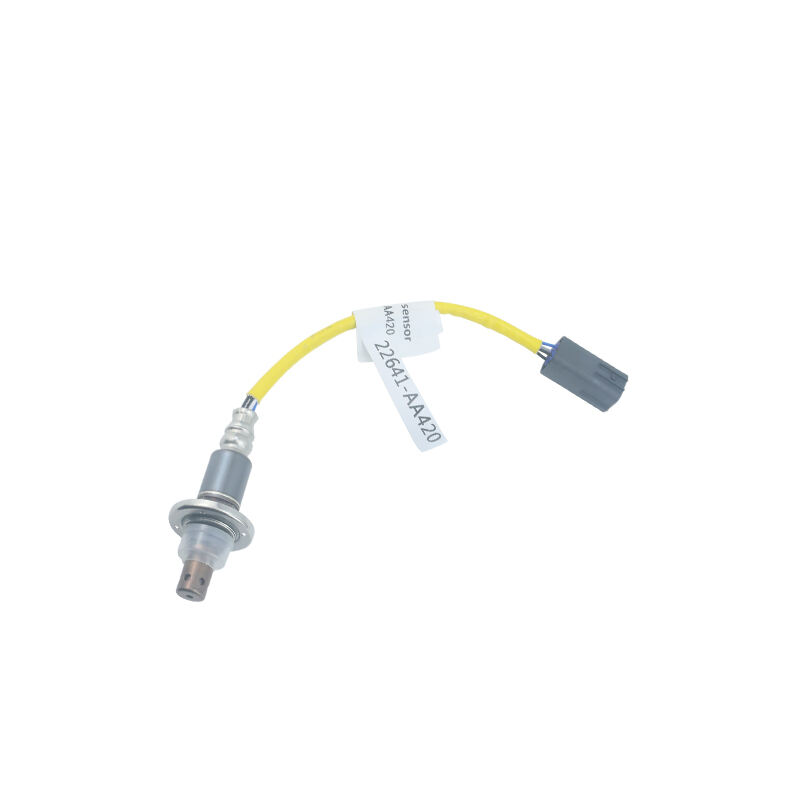
Understanding the Oxygen Sensor's Role in Engine Performance and Efficiency
What is an oxygen sensor and why it matters for engine efficiency
The O2 sensor keeps track of how much oxygen is present in exhaust fumes and sends this information back to the car's computer system in real time. When the ECU gets these readings, it can tweak the mix of air and fuel going into the engine so that burning happens just right at around 14.7 parts air to 1 part fuel. Getting this balance correct makes a big difference. A well calibrated sensor means less wasted fuel sitting unused in the cylinder, better performance from the catalytic converter, and fewer harmful substances like nitrogen oxides and hydrocarbons escaping into the atmosphere. These benefits aren't just good for performance either they help vehicles stay compliant with today's strict emission regulations across most markets worldwide.
How a malfunctioning oxygen sensor affects fuel economy and emissions
When an O2 sensor starts to fail, it throws off the ECU's job of keeping that perfect air-fuel ratio, which usually leads to either too much fuel (rich mixture) or too much air (lean mixture). The problem is pretty serious actually. If the mixture gets too rich, fuel economy drops dramatically sometimes by as much as half. Lean mixtures are no better though they push combustion temps higher and put the engine at real risk of getting damaged over time. Studies from folks who work on car diagnostics show these faulty sensors cause around a quarter of all failed emissions tests. And worst case scenario? They can make hydrocarbon emissions go through the roof basically doubling what comes out of the tailpipe.
Using an OBD code scanner to diagnose oxygen sensor issues
When that check engine light stays on or when we see codes like P0130 showing up for Bank 1 Sensor 1 circuit issues, it usually means there's something wrong with the oxygen sensors. Mechanics use those OBD-II scanners to pull out these codes and figure out exactly what's going on. The scanner can spot all sorts of problems including weird voltage readings, failed heater circuits in the sensor itself, or just plain sluggish responses from the device. If the sensor is switching back and forth too slowly (anything under about 1 hertz), that's often a sign of contamination from either oil getting into the system or maybe some coolant has leaked somewhere. Once we've diagnosed the issue properly, clearing those stored codes actually resets what the ECU has learned over time. This reset allows us to test whether our repairs fixed everything correctly without interference from old data still hanging around in the computer's memory.
Identifying and Locating Your Vehicle's Oxygen Sensor
Locating the Oxygen Sensor: Bank 1 vs. Bank 2, Pre-Cat vs. Post-Cat
Cars today come equipped with several oxygen sensors positioned at different points in the exhaust system. There are those before the catalytic converter (called upstream sensors) and others after it (known as downstream sensors). The ones upstream basically check how much oxygen is present in the exhaust gases right before they get treated, which helps control the air fuel mix inside the engine. Meanwhile, downstream sensors keep an eye on whether the catalytic converter is working properly or not. When mechanics talk about Bank 1, they mean the part of the engine where cylinder number one is located. This is usually on the driver's side for engines mounted across the front of the car, while Bank 2 would be found on the other side. For vehicles with V6 or V8 engines, there tend to be four oxygen sensors total two upstream and two downstream. Getting them mixed up can cause serious problems, so proper identification becomes really important when doing maintenance work.
Tools Needed to Access the Oxygen Sensor Safely
Successful replacement requires the right tools:
- O” sensor socket or wrench: A 7/8" or 22mm split socket accommodates the wiring harness.
- Penetrating oil: Loosens corroded threads when applied 15–30 minutes before removal.
- Heat-resistant gloves: Protect against burns from hot exhaust components.
- Torque wrench: Ensures proper tightening (typically 25–35 ft-lbs) to prevent damage or leaks.
Avoid universal sensors unless confirmed compatible with your vehicle's specifications, as mismatched thread pitches or voltage outputs can trigger false error codes.
Recognizing When to Replace the Oxygen Sensor
Common Symptoms Indicating Oxygen Sensor Failure
Key signs of a failing oxygen sensor include:
- Check Engine Light activation, especially with codes P0130–P0167
- 15–20% drop in fuel economy (per EPA 2023 study on sensor-related efficiency losses)
- Rough idling or hesitation during acceleration
- Failed emissions tests due to improper air-fuel ratios
These issues stem from contamination caused by oil or coolant leaks, carbon buildup, or aging, which dull the sensor's responsiveness to changing oxygen levels.
Manufacturer-Recommended Replacement Intervals and Real-World Data
While most manufacturers recommend replacing pre-cat sensors every 60,000–100,000 miles, industry research shows 42% fail before 80,000 miles under urban driving conditions. Longevity depends on several factors:
| Factor | Ideal Conditions | High-Risk Scenarios |
|---|---|---|
| Operating Temperature | Steady highway driving | Frequent short trips |
| Contaminant Exposure | Clean combustion | Oil leaks/Coolant intrusion |
| Sensor Type | Heated wide-range | First-generation designs |
Always consult your service manual and verify performance: a sensor that reads 0.1–0.9 volts without fluctuation for over 90 seconds likely needs replacement, regardless of mileage.
Step-by-Step DIY Oxygen Sensor Replacement Process
Safety Precautions When Replacing an Oxygen Sensor
Allow the engine to cool completely to avoid burns from hot exhaust parts. Disconnect the battery to eliminate electrical hazards and engage the parking brake. Wear heat-resistant gloves and safety glasses, especially when removing rusted components that may release debris.
Removing the Old Oxygen Sensor: Techniques to Avoid Damaging Exhaust Components
For most oxygen sensors, grab a proper socket around 22mm in size to hold things steady during installation. When working in cramped areas where space is at a premium, mechanics often find that a flex head ratchet or breaker bar gives them better control and makes the job easier. Important tip: don't go twisting that wiring harness! Always rotate just the sensor itself to prevent damage. And if the connector proves hard to get at, take a moment to gently unclip it first with a trim tool before proceeding. This extra step saves headaches later when dealing with frayed or broken wires from rushed work.
Dealing With Corroded or Stuck Sensors Using Penetrating Oil and Proper Tools
Apply a penetrating oil like PB Blaster® to the sensor base 2–3 hours before removal. For severely seized units:
- Gently heat the surrounding exhaust area with a propane torch (avoid direct flame on the sensor)
- Use a six-point socket to reduce the risk of rounding
- Rock the sensor back and forth slightly to break corrosion bonds
Patience and steady pressure are key to avoiding broken fittings or damaged manifolds.
Preparing and Installing the New Oxygen Sensor: Torque Specifications and Alignment Tips
Before installing, put some nickel based anti seize on those sensor threads if they don't already have coating. Most folks forget this step but it really helps things go smoother later on. When tightening down, check what the specs say in the manual first. For regular cars out there, around 30 to 40 Newton meters is usually good enough. Get yourself a decent torque wrench though, because going too tight can actually damage the threads while not enough pressure might lead to leaks down the road. Now for the wiring part, make sure to keep that harness clear of hot spots near the exhaust system. Give it at least three solid inches clearance space between them. Grab some heat resistant zip ties from the hardware store and fasten everything down securely. Trust me, nobody wants melted wires causing problems when trying to start their vehicle on cold mornings.
Post-Replacement Checks and System Reset
Ensuring Secure Wiring Connections and Proper Routing
After installation, confirm all electrical connectors click securely into place. Wires routed too close to hot exhaust surfaces can melt, leading to signal loss or shorts. Follow factory routing paths and use zip ties to maintain clearance. Key inspection points include:
| Inspection Point | Consequence of Neglect |
|---|---|
| Wire harness integrity | Intermittent sensor signal errors |
| Anti-chafe sleeves | Short circuits from exhaust heat |
| Connector sealing | Moisture-induced corrosion |
Clearing Trouble Codes Using an OBD Code Scanner
Even after replacement, the OBD (On-Board Diagnostics) system may retain old fault codes. Connect an OBD-II scanner to:
- Erase stored codes such as P0135 (heater circuit malfunction) or P0171 (system too lean)
- Confirm readiness monitors reset
- Verify no new codes appear after 5–10 ignition cycles
This step ensures the ECU recalibrates based on accurate sensor input.
Test Driving and Monitoring System Performance
Take a 15-mile test drive covering city and highway speeds to activate all emission systems. Monitor for:
- Stable idle RPM (no surging above 1,000)
- Restoration of normal fuel economy
- Check Engine Light remaining off for at least 50 miles
Use a scan tool's live data function to verify the new sensor's voltage fluctuates between 0.1 and 0.9 volts at operating temperature—a clear sign of healthy, responsive operation.
FAQs
What is the function of an oxygen sensor in a vehicle?
The oxygen sensor monitors the amount of oxygen in the car's exhaust fumes and sends information to the computer system, allowing it to adjust the air-fuel mixture for optimal combustion.
How can a malfunctioning oxygen sensor affect my vehicle's performance?
A faulty oxygen sensor can disrupt the air-fuel ratio, leading to poor fuel economy, increased emissions, and potential engine damage due to higher combustion temperatures.
What tools are required to replace an oxygen sensor?
To safely replace an oxygen sensor, you'll need an O2 sensor socket or wrench, penetrating oil, heat-resistant gloves, and a torque wrench.
How often should I replace my vehicle's oxygen sensor?
Most manufacturers recommend replacing oxygen sensors every 60,000-100,000 miles, but high-risk driving conditions can lead to premature failure.