EN
EN
 AR
AR
 FR
FR
 KO
KO
 PT
PT
 RU
RU
 ES
ES

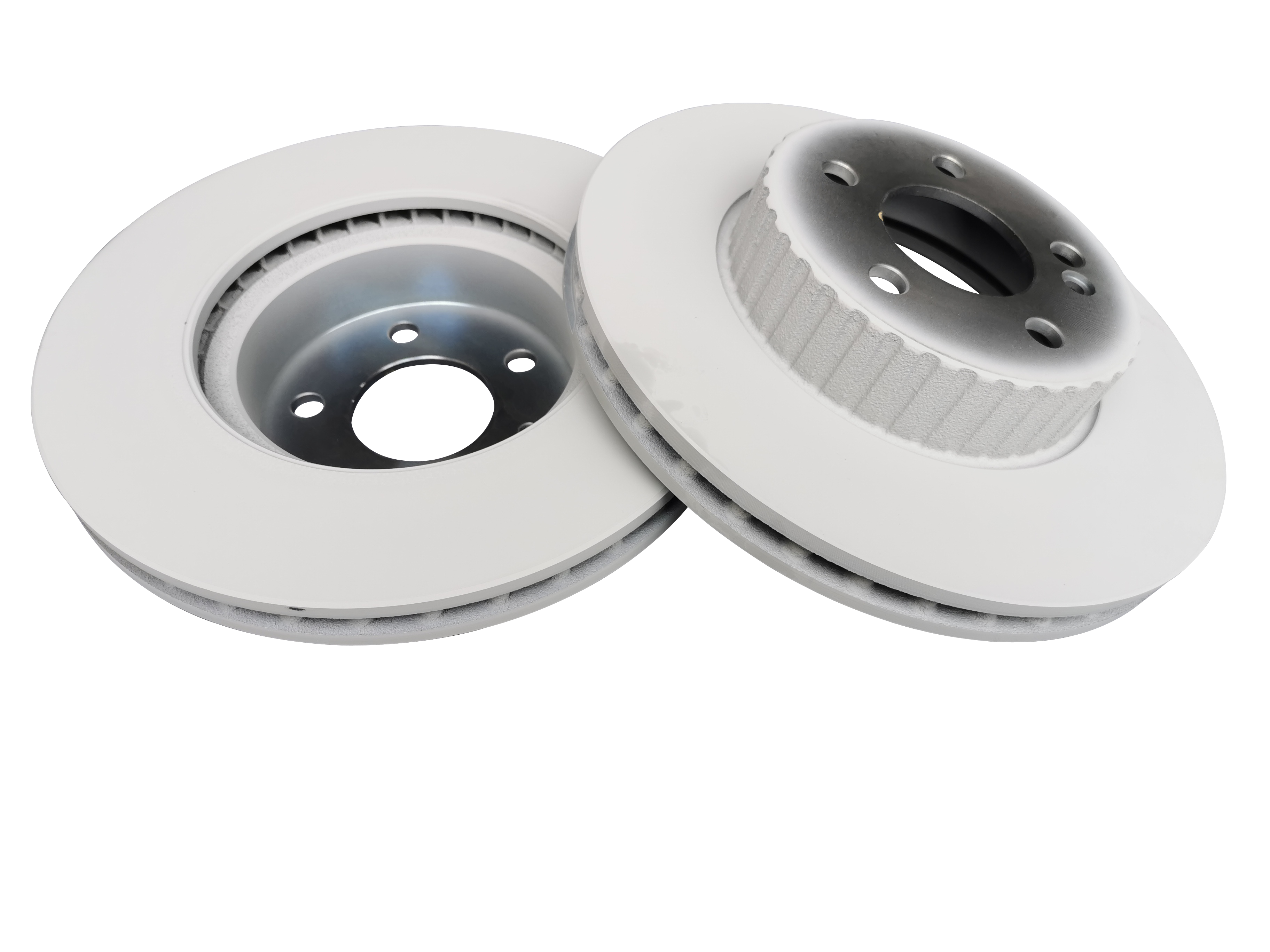
Understanding Core Brake Parts and How They Work Together
The role of brake pads in stopping power and friction control
The brake pads on cars create friction that slows down vehicles when they press against spinning rotors. These components are made from tough stuff like ceramic or semi metal mixtures, and they have to handle really hot conditions sometimes over 500 degrees Fahrenheit when someone slams on the brakes hard. Most mechanics will tell drivers that once the pads get worn down past about 3 millimeters thick, the car just doesn't stop as well anymore maybe losing around half its stopping power. And there's usually that annoying squeal people hear because special metal tabs inside the pads start rubbing against the rotor surface as they wear thin.
How brake rotors contribute to heat dissipation and smooth braking
When brakes are applied, rotors take in all that kinetic energy and turn it into heat. They do this through different design features like vents, slots, or holes drilled into them. Thermal stress from all this heat can actually warp the rotor over time, which is why drivers sometimes feel a pulsing sensation when pressing the brake pedal. And if the wear looks uneven across the surface, that might be a sign something's off with the calipers or maybe even the suspension system itself. For regular cars on the road today, manufacturers generally specify that rotors should stay within a certain thickness range, somewhere around 22 to 30 millimeters. This helps keep them strong enough to handle the constant stopping demands we put on our vehicles day after day.
Brake calipers: The mechanism behind clamping force
Calipers apply pressure to brake pads via hydraulic pistons. Floating calipers adjust automatically during operation, while fixed calipers offer balanced clamping ideal for performance applications. Seized caliper slides are responsible for 18% of uneven pad wear cases, according to brake system synchronization studies.
The importance of brake fluid in hydraulic pressure transmission
The main job of brake fluid is to carry the force applied at the brake pedal all the way to the calipers, and it does this pretty well since it doesn't compress much under pressure. Most common types like DOT 3 and DOT 4 can handle temperatures over 400 degrees Fahrenheit when they're fresh out of the bottle. However, these fluids absorb moisture from the air over time, which actually lowers their boiling point quite a bit. We're talking around 30 percent drop each year in some cases. That's why mechanics generally recommend changing the brake fluid at least once every couple of years. Regular replacements help avoid those annoying vapor lock situations where the brakes feel spongy instead of responsive, making sure drivers maintain good control when stopping suddenly.
Overview of brake system components and their interdependence
When the brake pedal is pressed, the master cylinder creates hydraulic pressure that gets extra push from either a vacuum booster or electric assist system. This pressurized fluid moves along metal tubing and rubber hoses until it reaches the calipers at each wheel. The ABS control unit steps in when sudden stops happen, managing how much force actually makes it to the brakes. Problems with components like damaged hoses, worn out pads that have become glazed over from heat, or seals that no longer hold up can all lead to serious issues with how well the brakes function and ultimately affect driver safety on the road.
Recognizing Signs of Wear and Diagnosing Common Brake Issues
Identifying common brake noises: Squealing, grinding, and clicking
Distinct sounds signal specific problems. High-pitched squealing usually indicates pads worn down to 3mm, activating wear indicators. Grinding suggests complete pad deterioration, risking rotor and caliper damage. Clicking during braking often stems from loose shims or unstable caliper hardware, requiring inspection and resecuring.
Visual indicators of rotor condition and wear patterns
Inspect rotors for deep grooves (1.5mm), bluish discoloration (a sign of overheating), or thickness variation beyond 0.001". These defects reduce stopping power by 18-22%, based on 2023 vehicle safety evaluations. Replace rotors that fall below manufacturer minimums—typically around 20mm—to maintain safe operation.
Brake pad inspection and replacement indicators
Check pad thickness either through caliper windows or after wheel removal. Pads under 3–4mm should be replaced immediately per industry-recommended safety standards. Uneven wear between inner and outer pads commonly indicates sticking caliper pins or contaminated slide rails.
Linking performance issues to specific brake parts failure
When drivers notice their brake pedal feels soft or spongy underfoot, there's usually air somewhere in the hydraulic system or the master cylinder might be starting to break down. If the brakes suddenly lose all pressure, that's a real red flag for something serious like a broken brake line. The car pulling hard to one side when stopping generally points to stuck calipers or maybe some dirty brake fluid messing with just one side's pads. And anyone who feels vibrations through the steering wheel while cruising down the highway at normal speeds? That's pretty much always because the rotors have gotten warped over time from heat and wear.
Step-by-Step Guide to Replacing Brake Pads and Rotors
Tools and materials needed for DIY brake pad and rotor replacement
Gather these essentials before starting:
- High-quality jack stands rated for your vehicle's weight
- Lug wrench, C-clamp, and torque wrench for accurate fastening
- Brake cleaner spray to degrease components
- Anti-seize lubricant for caliper slide pins and mounting hardware
Removing old brake pads and rotors safely without damaging calipers
- Loosen lug nuts slightly before lifting the vehicle; secure it fully on jack stands.
- Remove the caliper bolts using a 14-19mm socket, then suspend the caliper with wire to avoid straining the brake hose.
- Extract old pads and assess rotor condition. Replace rotors if thickness is below spec or if scoring exceeds 1.5mm.
Installing new brake pads with proper alignment techniques
Position new pads flush within the caliper bracket, ensuring the friction material faces the rotor. Apply silicone-based lubricant to contact points such as pad abutments and shims to prevent noise. Avoid excessive grease, which can attract dirt and reduce effectiveness.
Rotor installation best practices and torque specifications
Before putting on those new rotors, give the hub surface a good scrub with a wire brush to get rid of any rust buildup and bits of old brake material. When mounting the rotor, make sure it sits flat against the hub. For tightening the lug nuts, go with the star pattern method and aim for around 80 to 100 foot pounds of torque. Check the service manual for exact specs since different vehicles have their own requirements. Getting the torque right matters a lot. If it's too loose, the rotor might warp during braking. Too tight and there's real danger of stripping threads or worse yet, having wheels come off while driving down the road. Safety first always.
Post-installation checks to ensure optimal brake function
- Pump the brake pedal 5-6 times to reset the caliper pistons.
- Perform a low-speed test drive (under 30 mph), making 8-10 gradual stops to bed the new pads properly.
- After 50 miles, inspect rotors for even wear patterns, confirming consistent pad contact.
Well-maintained brake systems last up to 40% longer than neglected ones, according to 2024 NHTSA data.
Maintaining Brake Fluid and System Longevity
Checking Brake Fluid Levels and Contamination Signs
It's important to check the brake fluid reservoir at least once every six months or so. When the fluid looks fresh, it should have that nice light amber color. If it starts looking dark or cloudy, that's a sign something's wrong with the fluid quality. Brake fluid tends to absorb moisture over time, especially after about two years of use. Once the moisture level goes beyond 3%, the boiling point drops significantly, sometimes by as much as 40%. This makes brakes less effective under heavy braking situations, which can be dangerous. Another thing to watch for is when the fluid level gets too low. That might mean there's a leak somewhere in the system, either in the master cylinder or along one of the brake lines. Regular inspections help catch these issues before they become serious safety concerns.
Flushing and Replacing Brake Fluid to Maintain System Integrity
Replace brake fluid every two years to remove absorbed moisture, which can reduce boiling points by 100–150°F. Use a pressure bleeder for efficient air removal and uniform fluid exchange. Research shows contaminated fluid increases emergency stopping distances by 22%.
Matching Brake Fluid Type (DOT Ratings) to Vehicle Specifications
The owner's manual almost always lists which DOT-rated brake fluid to use, typically DOT 3, 4, or 5.1. Most folks stick with what their car was designed for. DOT 4 stands up better to heat than regular DOT 3 fluid does. Then there's DOT 5.1 which performs really well under stress situations because it can handle temperatures approaching 500 degrees Fahrenheit when dry. Now, silicone based DOT 5 fluid doesn't play nice with ABS braking systems at all. Mixing it with the glycol based varieties will actually break down the seals over time and create serious safety risks down the road. That's why mechanics generally avoid using DOT 5 unless absolutely necessary.
Essential Safety Tips and Preventive Maintenance for DIY Brake Repair
Avoiding Common Mistakes During Brake Pad Replacement and Rotor Handling
Safety first folks! Get those ANSI approved gloves and eye gear on before getting into anything with sharp bits flying around or breathing in that nasty brake dust. When working on wheels, make sure to set wheel chocks and use proper jack stands at all times. Don't trust just a floor jack alone because we've seen way too many accidents happen when they give way unexpectedly. Statistics show something like 23 percent of DIY brake injuries come from collapsed jacks. And please don't force off those warped rotors either. Damaged rotor surfaces really eat through brake pads faster and can cut braking effectiveness down by almost half in some cases. Trust me, nobody wants to be stuck in traffic with failing brakes.
Ensuring Proper Reassembly to Prevent Brake Failure Risks
Adhere strictly to factory torque specs. Over-tightened caliper bolts can strip threads; under-torqued lugs risk loosening at speed. Lubricate slide pins and pad contact points with high-temperature grease to prevent binding, a key factor in premature rotor warping. Test the brake pedal before driving—any sponginess requires immediate bleeding.
Creating a Routine Brake System Safety and Inspection Checklist
Inspect critical brake components every 6,000 miles or twice a year:
- Pads: Replace when ≤ 3mm thick
- Rotors: Check for warping beyond 0.0015" tolerance
- Fluid: Measure moisture with a refractometer; replace if over 3%
- Lines: Look for cracks, corrosion, or swelling near fittings
Track findings systematically to identify trends early. This preventive strategy cuts emergency repairs by 68% compared to reactive maintenance.
FAQ
What are the signs that brake pads need replacement?
Signs include high-pitched squealing sounds, grinding noise, and brake pads being worn down to less than 3–4mm of thickness.
How can I tell if my rotors are worn?
You should inspect for deep grooves, bluish discoloration indicating overheating, or thickness variation beyond manufacturer specifications.
What type of brake fluid should I use?
Refer to your vehicle's owner manual for DOT-rated brake fluid specifications. Typically, DOT 3, DOT 4, or DOT 5.1 are recommended.
Why is it important to change brake fluid regularly?
Regular brake fluid changes prevent moisture build-up, reducing boiling points and maintaining effective braking performance.
What tools are needed for DIY brake repair?
Tools include high-quality jack stands, lug wrench, C-clamp, torque wrench, brake cleaner spray, and anti-seize lubricant.
Table of Contents
-
Understanding Core Brake Parts and How They Work Together
- The role of brake pads in stopping power and friction control
- How brake rotors contribute to heat dissipation and smooth braking
- Brake calipers: The mechanism behind clamping force
- The importance of brake fluid in hydraulic pressure transmission
- Overview of brake system components and their interdependence
- Recognizing Signs of Wear and Diagnosing Common Brake Issues
-
Step-by-Step Guide to Replacing Brake Pads and Rotors
- Tools and materials needed for DIY brake pad and rotor replacement
- Removing old brake pads and rotors safely without damaging calipers
- Installing new brake pads with proper alignment techniques
- Rotor installation best practices and torque specifications
- Post-installation checks to ensure optimal brake function
- Maintaining Brake Fluid and System Longevity
- Essential Safety Tips and Preventive Maintenance for DIY Brake Repair
- FAQ